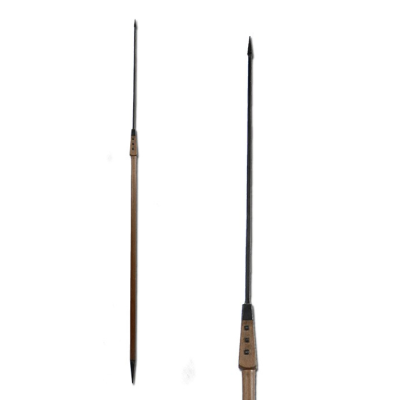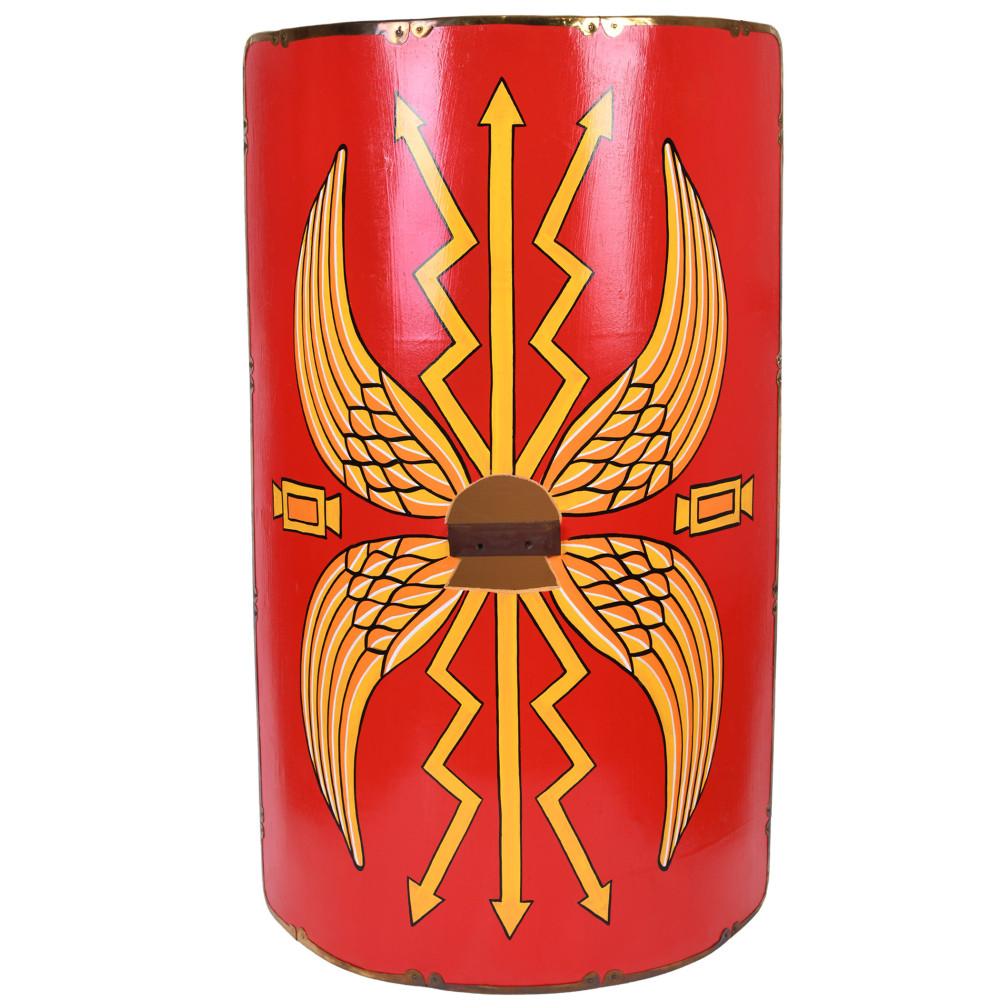




Roman shield better known as scutum for turtle formations. Oval and curved inside that offers excellent protection. The metal protection of the center is protected from the impacts of the arrows.
Details:
- Height: approx. 107 cm
- Width: approx. 59 cm
- Bending radius: approx. 23 cm
- Weight: approx. 5.5 kg
- Thickness: approx. 1.2 cm

(editar com o módulo Customer Reassurance)

(editar com o módulo Customer Reassurance)

(editar com o módulo Customer Reassurance)
| Width | 59 cms. |
| Time | 107 cms. |
| Material | Wood and metal |
| Weight | 5.5 kg |
Gladius Roman dagger decorated with magnificent finishes. stainless steel sheet prints. Pomo and spares also include Roman allegories. 38 cms. Includes leather hem.
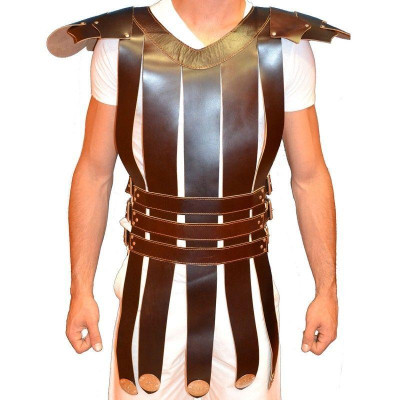
Romano Gladiator vest with strips and with self-adjustable triple buckles strap. Made of premium leather. Standard size.
Roman imperial helmet, but with other engravings like the eagle and the golden tones. The Roman Legion was the basic infantry military unit of Ancient Rome. It consisted of a heavy infantry corps of about 5,000 and later 10,000 infanteria soldiers and several hundred knights.
Roman writing board made of wood and wax with bronze writing utensil (Dyptichon).
Measurements
- Height: Approx. 20 cm
- Width when closed: approx. 12 cm
- Width when open: approx. 24 cm
- Weight: Approx. 0.4 kg
Gothic Cuirass, Torso Plate Armor, Steel
This elaborately crafted and beautifully detailed reconstruction of a late medieval cuirass is made of 1.2mm steel (18 gauge) and consists of a breastplate and a back plate.
While the pectoralis is equipped with three sliding thighs (the so-called faulds) to protect the hips, waist, groin and lower abdomen, the beautiful backplate is completed by a widely enlarged culet composed of two wavy and overlapping sliding bands that protect the buttocks. The faulds as well as the culet are hinged on steel rivets. Both the front and back feature the typical ridges, filigree cutouts, and multi-layered appearance of the Gothic plate armor of the late Middle Ages (15th/16th century). For better corrosion resistance, the inside of the reinforcement is blackened.
The two halves of torso armor are fitted around the body and secured in place with 3mm thick adjustable leather straps and steel buckles. This allows for a comfortable fit for a variety of sizes. The straps and buckles are firmly riveted to the chest and back plates at shoulder height and on the sides.
Note that this item, while fully usable, is not a battle-ready cuirass. However, it's not only a great collectible or décor/display piece, but also perfectly suited for the depiction of a wide range of historical and fictional/fantasy characters. Ideal for late medieval reenactment, LARP, stage or cosplay, it will make your transformation into a proud and noble knight or warrior perfect.
Details:
- Material: 1.2 mm (18 ga) steel plate, leather straps, steel buckles
- Total length with faulds/culet: front approx. 61 cm, back approx. 73 cm
(measured from the highest point of the shoulder to the bottom hem)
- Chest circumference: from approx. 120 cm (for a tight fit) to a maximum of 140 cm
(adjustable with straps and buckles)
- Neck opening (diameter): approx. 18 cm
- Weight: approx. 8.5 kg
Specifications may vary slightly from part to part.
Observation:
To ensure that this torso armor is right for you, remember to take your measurements over your gambeson and/or any piece of clothing or chainmail you plan to wear underneath!
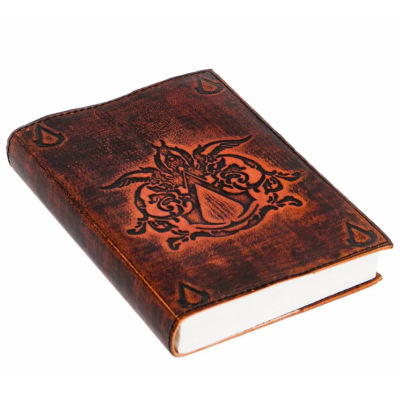
On another Viking mission with his fierce warriors?Record all your experiences and dangerous encounters in this leather journal from Creed of Assassin!
This diary is HANDMADE in ETHICALLY SOURCED BUFF LEATHER that makes it sturdy while offering longevity.The diary is made up of 110 natural handmade and tightly bound papers.Its dimensions are approx.(7 x 5) inches.
Splendid bronze reproduction of Roman Sword. Julius Caesar Gaius Julius Caesar (101 BC - 44 BC) .
Unofficial replica of the Zelda shield made of resin and fiberglass, with accessories to carry it, product developed for cosplay.
Material: Resin and Fiberglass
Shield Size: 55 cm by 45 cm
Weight: 2763 gr.
The gládio, the main weapon of the Roman legions, was used in many variations from the 4th century BC to the 3rd century AD. The real Roman soldiers never left the camp without their gládios. Just like the helmet (galleon), the shield (scutum) and the armor (lorica), the short sword was an essential piece of the garment of any brave legionnaire.
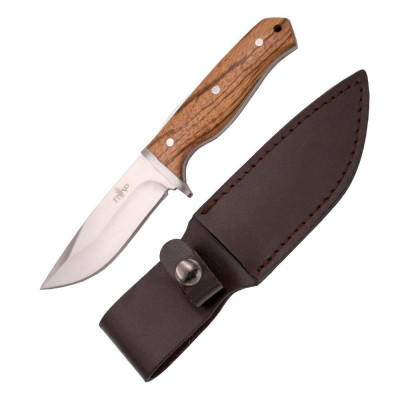
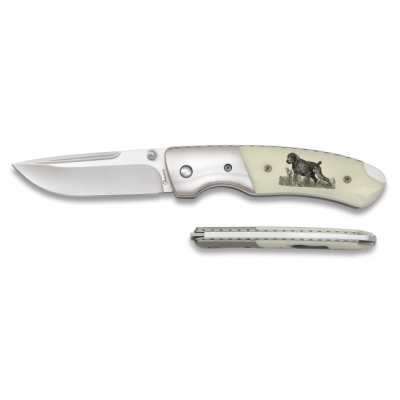
Hunting knife with 440 steel blade 10.6cm satin finish Pakkawood handle, with leather cover.
handle: Pakkawood
blade: Steel 440
Sheet size: 10.6cm
Sheet thickness: 5 mm
Cm cut: 10cm
Handle Size: 12 cm
Length: 22.8cm
Knife weight: 235 gr
Includes:
-Covering skin
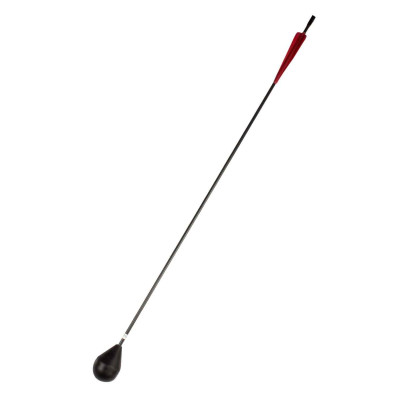
When it comes to LARP arrows, safety is the primary criterion. And with this arrow with a padded head, safety is guaranteed. The manufacturer guarantees this with a 4-year warranty.
This LARP arrow is distinguished by its durability, accuracy, approx. 50 m of range and the consequent fun it brings.
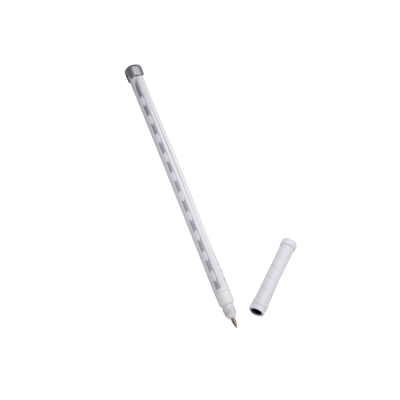
Katana Demon Slayer Katana pen wielded by Inosuke Hashibira, 20 cm, made of zinc and steel, served in blister with refill included.
ORNAMENTATION AND COLLECTION
Total size: 20 cm
Material: Resin
Inner glass:
360º Aluminum Decoration
The Sorcerer's Sword is 122 cm long in total and features an 89 cm stainless steel blade, blue gemstone inlays, and a genuine leather-coated handle. It comes with a wooden sign on the wall. If your staff alone isn't enough, it's time to use your elven-made sword. Ideal if you really don't want anyone to come. The perfect addition to any collection.
Arabian Sword,
Reproduction of Napoleon Bonaparte's sword, made of metal with a lined and removable plastic scabbard.
Napoleon Bonaparte (1769-1821), Emperor of France (1804-1815), consolidated and instituted many of the reforms of the French Revolution. He is considered one of the greatest military geniuses in history; conqueror of most of Europe, he commanded very successful war campaigns, albeit with some equally resounding defeats. His aggressive wars of conquest became the largest military operations known to date in Europe, involving a number of soldiers never seen in the armies of the time.
Feel like a protagonist of the Napoleonic conquests of the early nineteenth century with the DENIX reproduction of this sword!
Sheathed Katana blue-gold and 440 stainless steel blades
Medieval Dress, Open Bliaut Amal, Brown
This long, waisted medieval dress is made of cotton fabric. The side seams are open from the hip to the upper arm and feature shoelaces for individual adjustment. The Church did not approve in any way of these side openings that partially revealed the underwear, which explains why they are also called gates of hell . The tie cords are equipped with metal tips to facilitate passage through the sewn eyelets. The so-called Gores (wedge-shaped pieces of fabric) inserted into the side seams and the front and back panels of the skirt give the dress a generous sheen. The wide trumpet sleeves and decorative stitching on the sleeve hem and open side seams give the dress a noble finishing touch.
The cut of the dress is typical of the so-called bliaut (or bliaud) and follows the fashion of the eleventh to thirteenth centuries. Although women's clothing had been cut rather loosely and hiding the figure until then, this era saw the emergence of increasingly tight clothing. The Bliaut was initially an outer dress of the court, as the wide sleeves were not suitable for the working classes. Over time, this type of dress also gained popularity among the middle class, but it was more commonly equipped with straight-cut sleeves. It was not only worn by women, but also by men - in this case, as a knee-length outer garment.
The Bliaut was notably characterized by waist-high side openings and trumpet sleeves. Although the Hell's gates at first looked like a wider cut and slightly large cavities, they gradually became larger over time, until they finally extended to the hips. The trumpet sleeves could also take on extreme shapes, sometimes reaching the floor. The Bliaut used to be combined with a shirt or shirt, a veil and a narrow belt.
Historical illustrations of bliauts can be found, among others, in the fresco showing Sant'Elena in the basilica of San Lorenzo in Milan or in the Hortus Deliciarum, from the late twelfth century. encyclopedic compendium.
Details:
- Available sizes: S, M, L, XL, XXL
- Color: brown (also available: red/black, blue/natural color)
- Material: 100% cotton
- Total length size M: approx. 145 cm (measured from the highest point of the shoulder to the lower sheath)
- Care instructions: Machine wash at 40°C, gentle cycle, do not dry in dryer. We recommend washing the dress separately.
| Size Table - Women - Dress | ||||||||||||
|
How to find the right size:
To take measurements of your body correctly and determine the size of your clothing, always wrap the tape measure horizontally around your body in the widest part. For dresses, sizes are based on chest circumference. If you happen to fall between two sizes, we recommend that you increase one size. The facility is included in the standard and reflected in the finished measurements.
Attention:
The delivery includes only the dress! The other items in the photo above are available separately in our online store. In any case, the dress should be worn combined with a dress or blouse underneath.
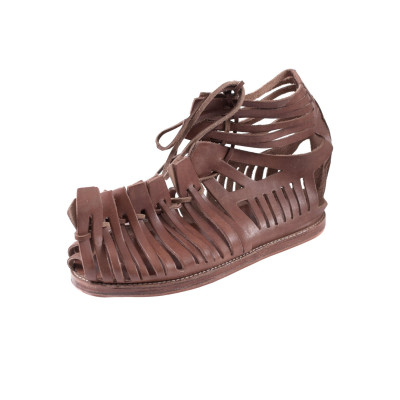
Roman sandals, caligae, light brown
These sandals were worn by both roman legionaries and peasants.
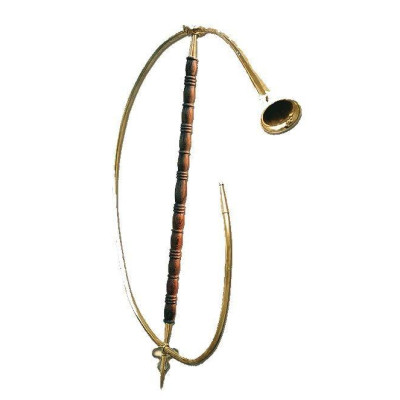
Cornu, Roman horn, brass The cornu or cornum is an ancient brass instrument used in the Roman Empire. In the Roman army, he was transported by the so-called cornicen (horn blower) and employed to send coded orders across the battlefield in the form of horn signals. Off the battlefield, it also served as a ceremonial musical instrument. This functional replica is made of brass and equipped with a wooden handle. The horn is delivered disassembled. It consists of three threaded tubes, a nozzle and a cross bar/handle. The final assembly is very easy and must be carried out by the customer. Details: - Material: brass and wood - Height: approx. 106 cm - Weight: approx. 2.5 kg
Roman shield better known as scutum for turtle formations. Oval and curved inside that offers excellent protection. The metal protection of the center is protected from the impacts of the arrows.
Details:
- Height: approx. 107 cm
- Width: approx. 59 cm
- Bending radius: approx. 23 cm
- Weight: approx. 5.5 kg
- Thickness: approx. 1.2 cm